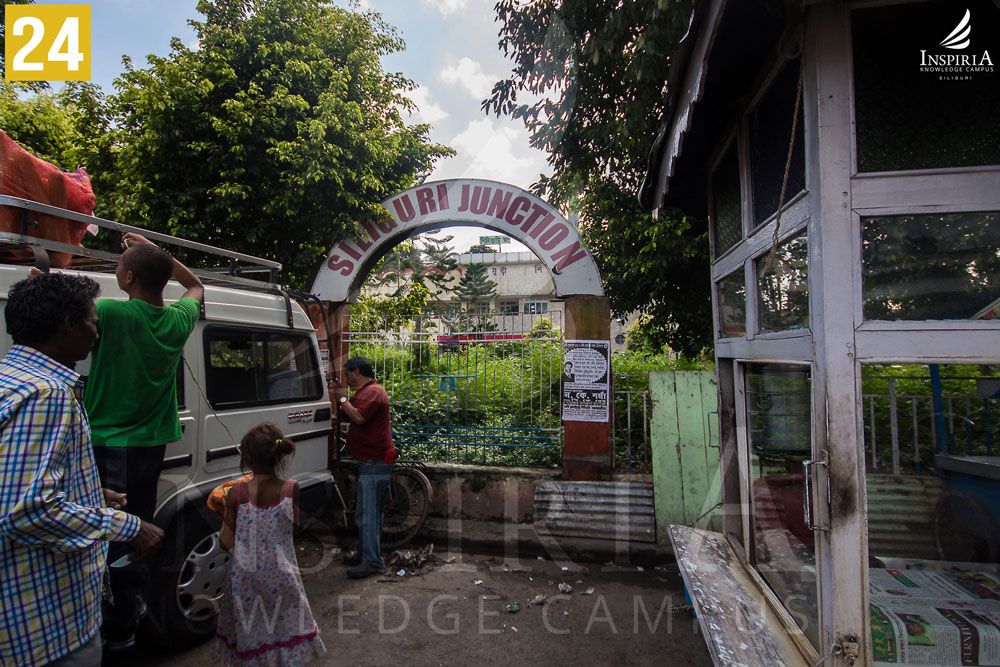
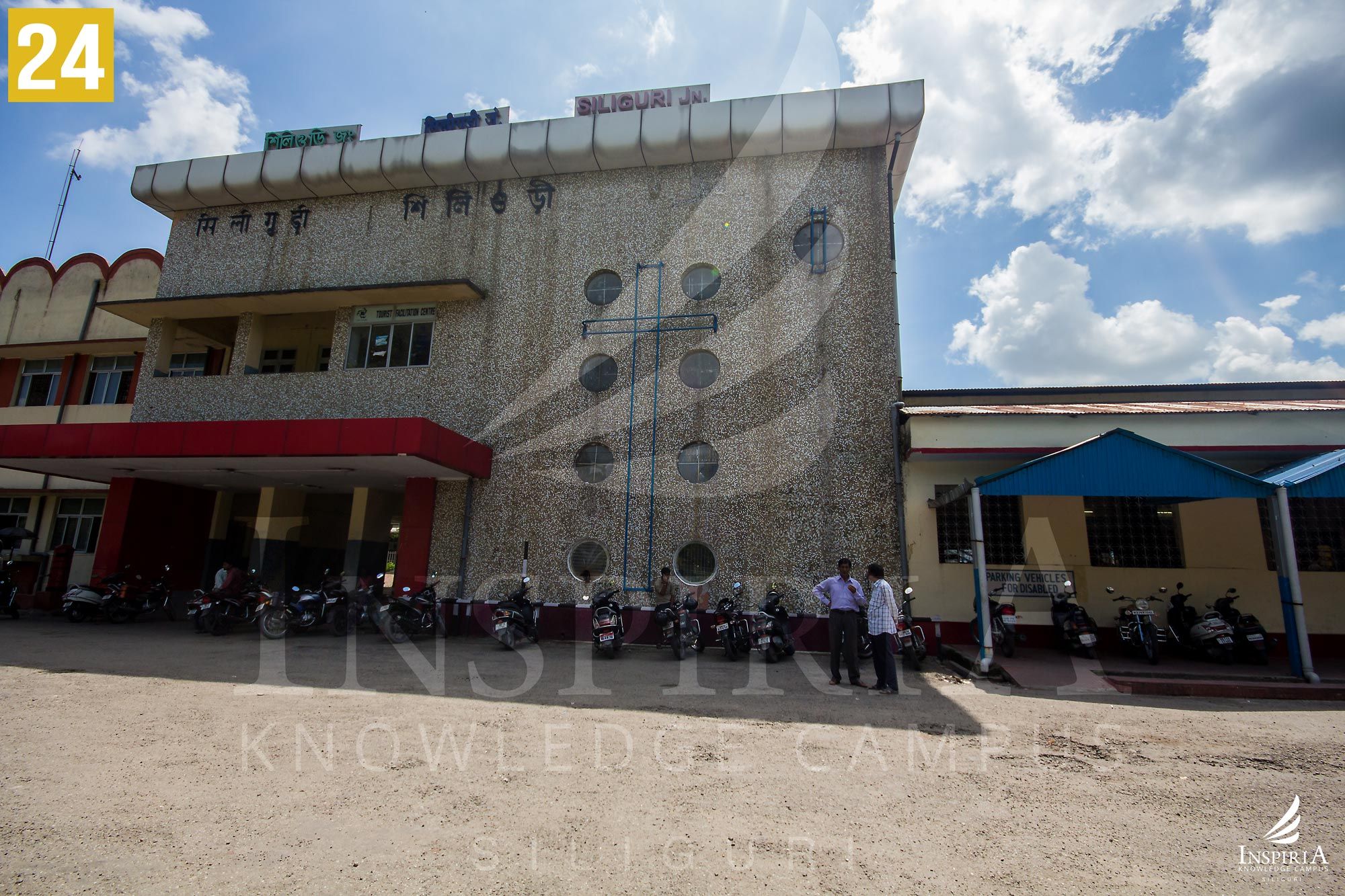
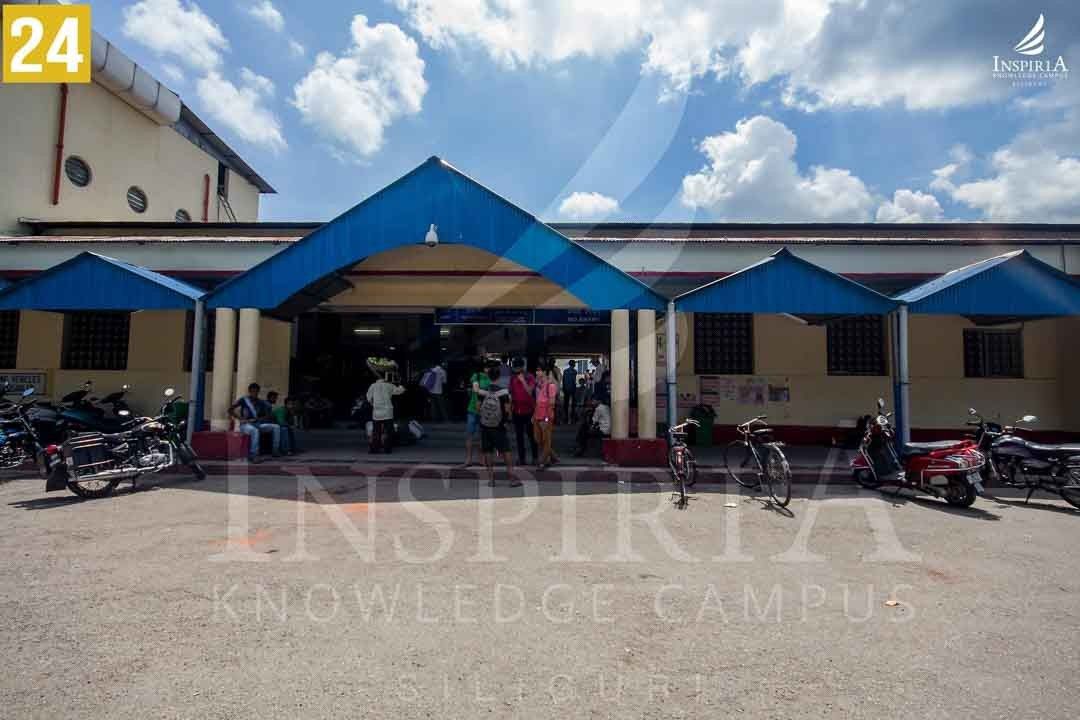
Siliguri Junction Railway Station is one of the three railway stations serving Siliguri — the second-largest city in West Bengal and the gateway to North-East India. After India's partition in 1947, Siliguri Junction rose to become the dominant railway station in the region, a position it held for several decades before New Jalpaiguri gradually assumed the role of the primary rail hub.
History of Siliguri Junction Railway Station
After the partition of 1947, Siliguri Town Railway Station lost its prominence, and Siliguri Junction became the main railway station in the region. During the early post-independence period, the station operated on meter gauge — the standard for much of North Bengal's railway network at that time.
In the 1960s, broad gauge links were established connecting Siliguri to Kolkata, marking a major upgrade in the station's connectivity. Subsequently, all rail lines in the region were converted to broad gauge, with the notable exception of the Darjeeling Himalayan Railway (the Toy Train), which retained its narrow gauge.
Locomotive History
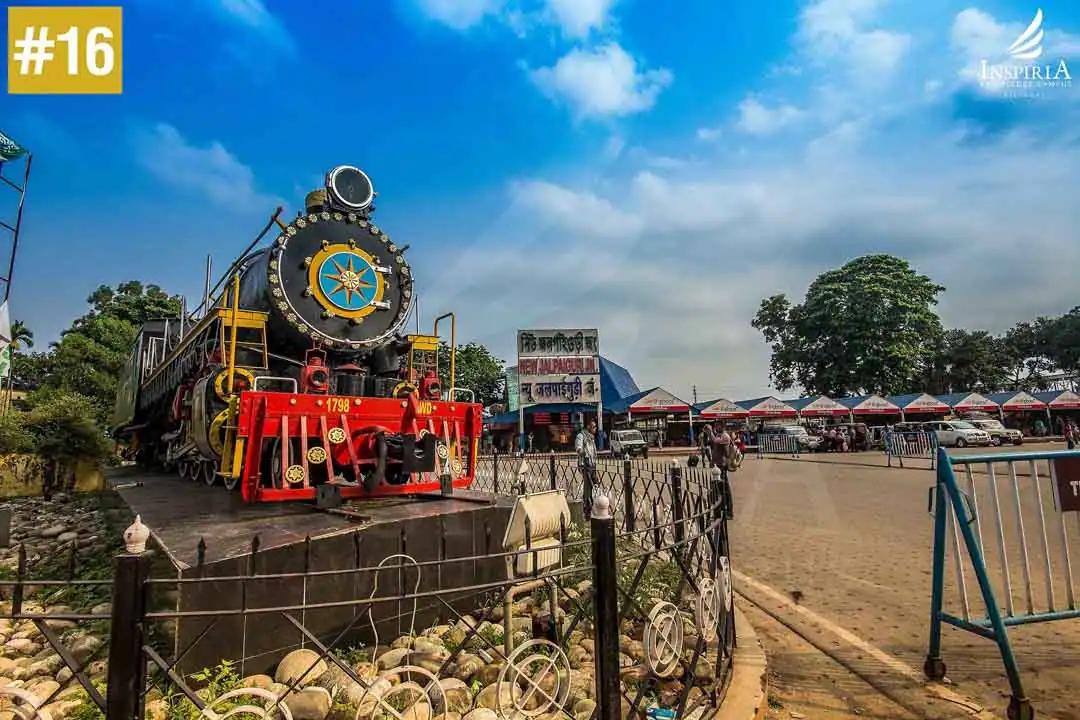
A meter gauge diesel locomotive shed was established in Siliguri in 1961 to service the growing rail traffic in the region. As the network transitioned to broad gauge, a new broad gauge diesel locomotive shed was established in 2007, reflecting the modernisation of rail infrastructure in North Bengal.