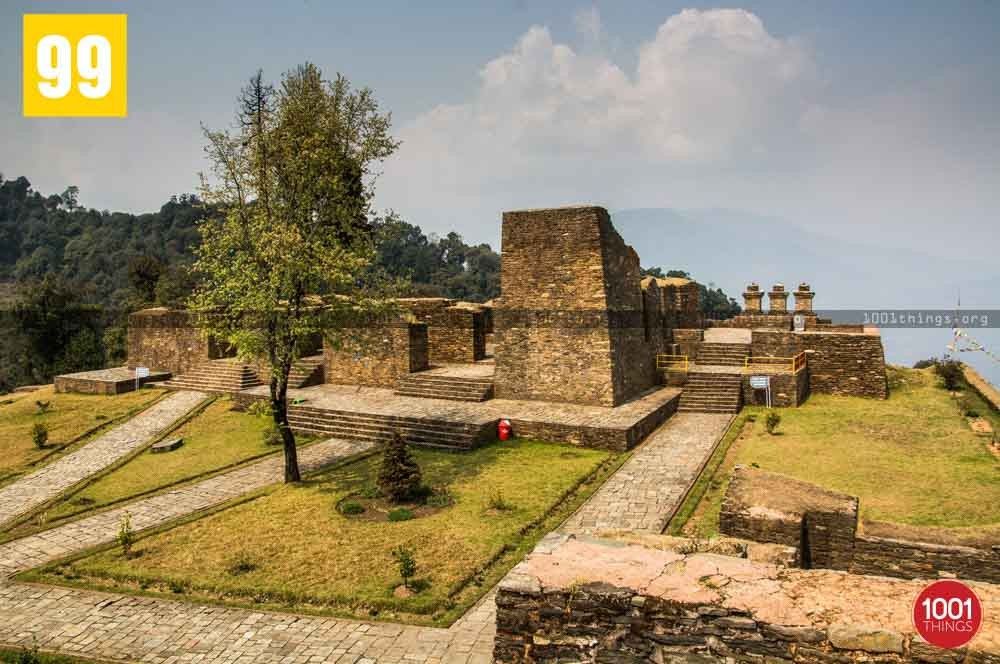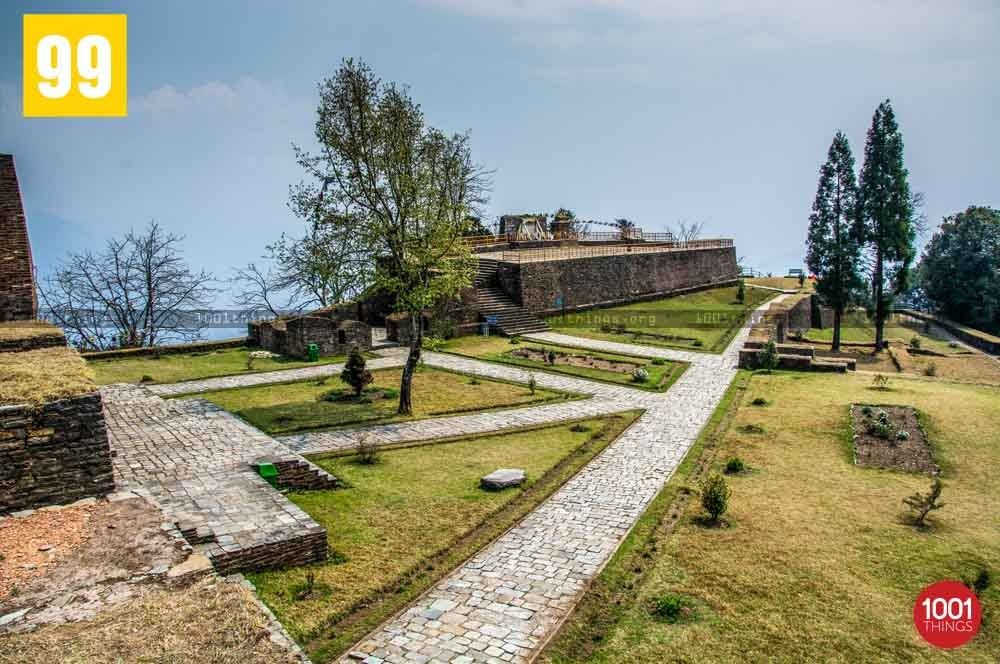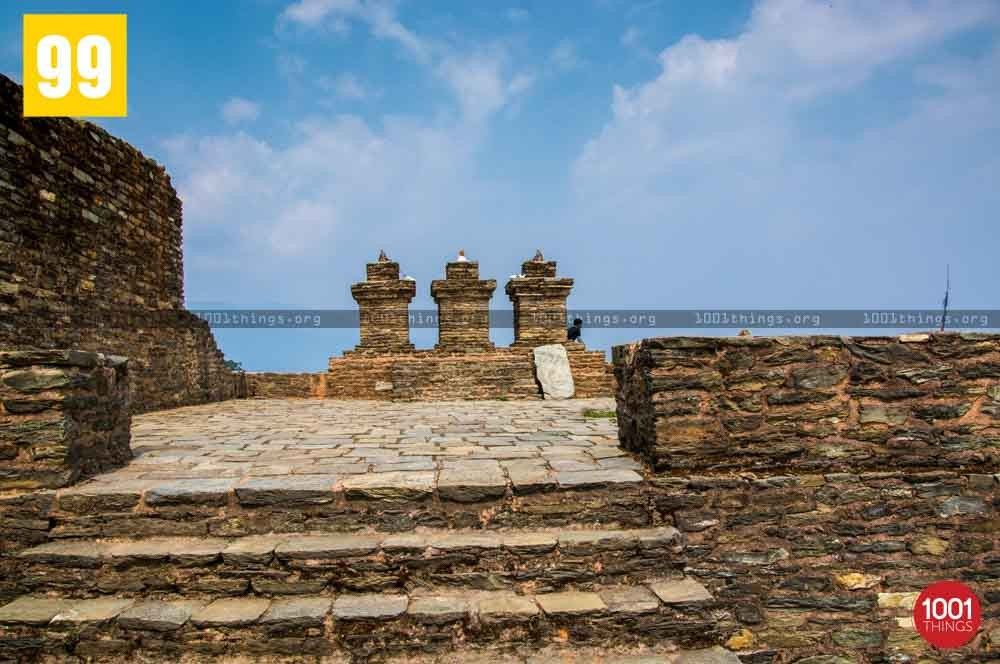
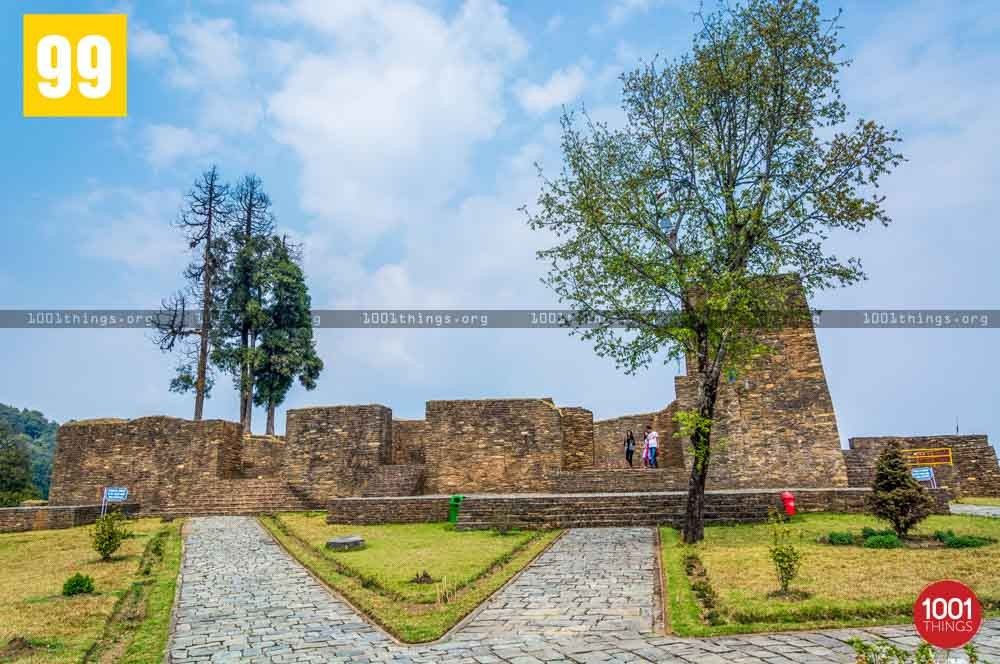
The Ruins of Rabdentse near Pelling in West Sikkim are among the most historically significant archaeological sites in the entire state. Once the proud second capital of the Kingdom of Sikkim from 1670 to 1814, Rabdentse was destroyed by the Gorkha army, leaving behind atmospheric ruins that speak volumes about Sikkim's royal past. Today, the site is maintained by the Archaeological Survey of India and has been declared a place of national importance.
History of Rabdentse — Sikkim's Second Capital
Sikkim has been shaped by a succession of Chogyals (kings) from the Namgyal dynasty. In 1642, Phuntsog Namgyal was consecrated as the first Chogyal of Sikkim. He was later succeeded by his son Tensung Namgyal, who shifted the capital from Yuksom to Rabdentse in the late 17th century. Rabdentse thus became the second royal capital of Sikkim and remained so until 1814, when the Gorkha army invaded and systematically destroyed it — reducing the royal capital to the evocative ruins that survive today.
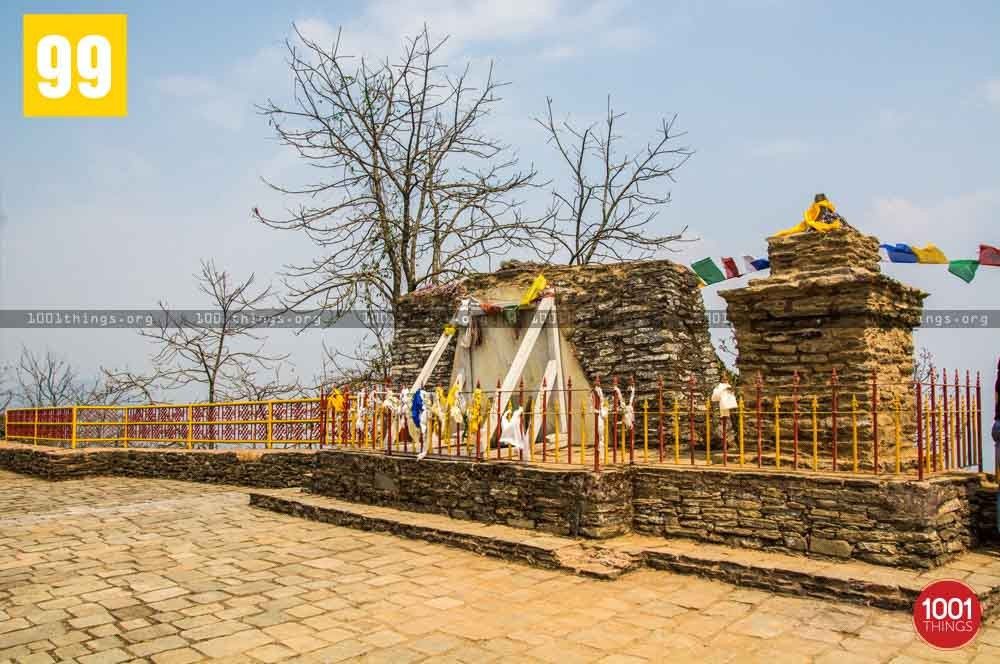
What Remains at Rabdentse
The ruins at Rabdentse consist of two wings — the northern block and the southern complex:
- The Northern Block comprised the royal residential quarters of the Chogyal family