Statue of Mahatma Sirijunga, Sikkim - The Impeccable Idol Of The Most Revered
1001 Things·
Unveiling The Details Of The Structure & Its Symbolism
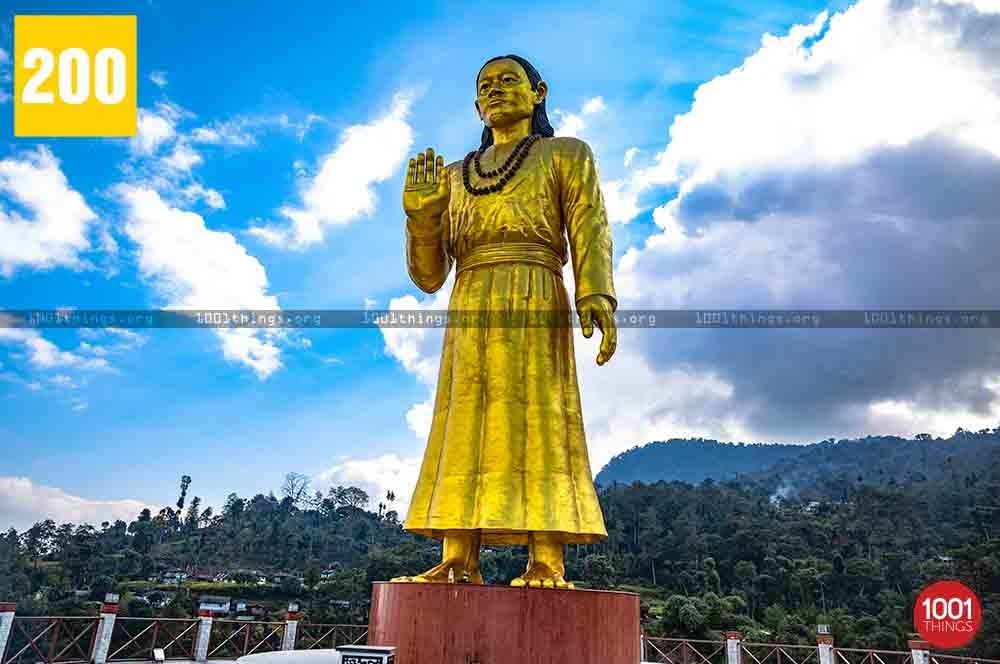
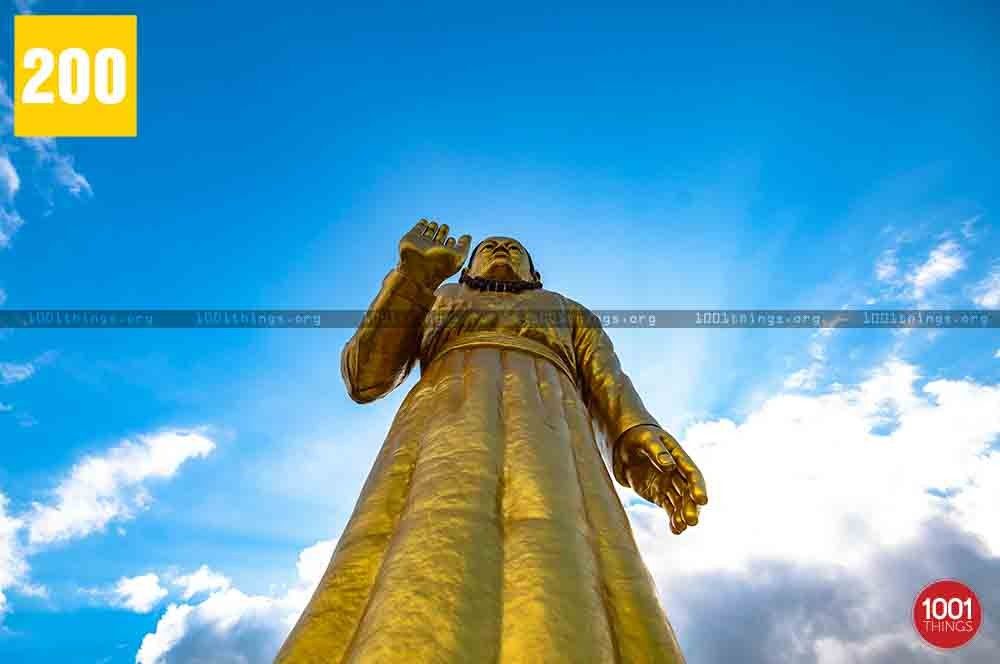
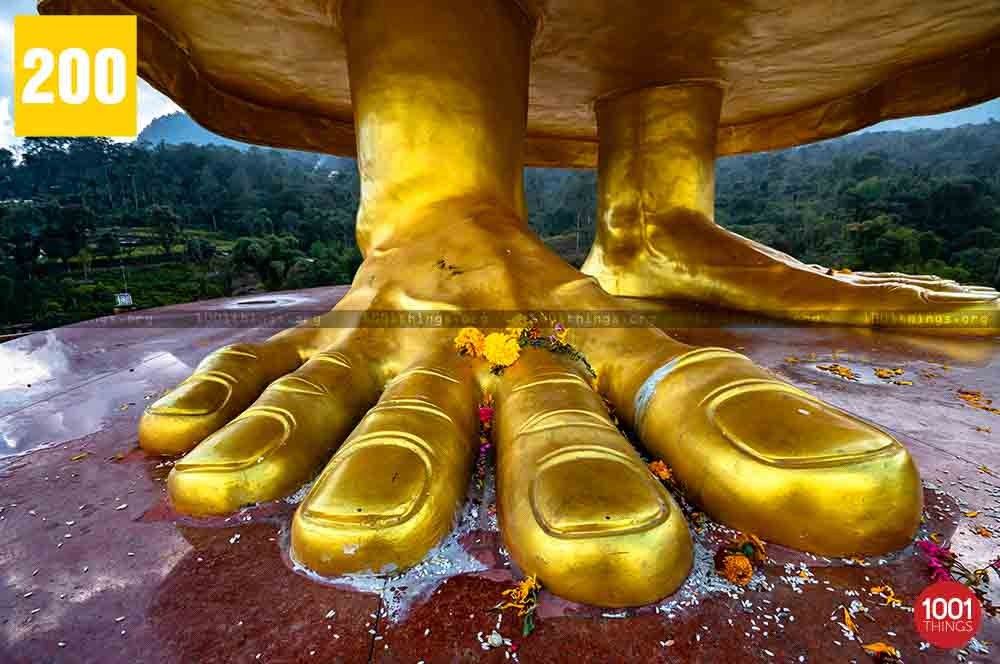
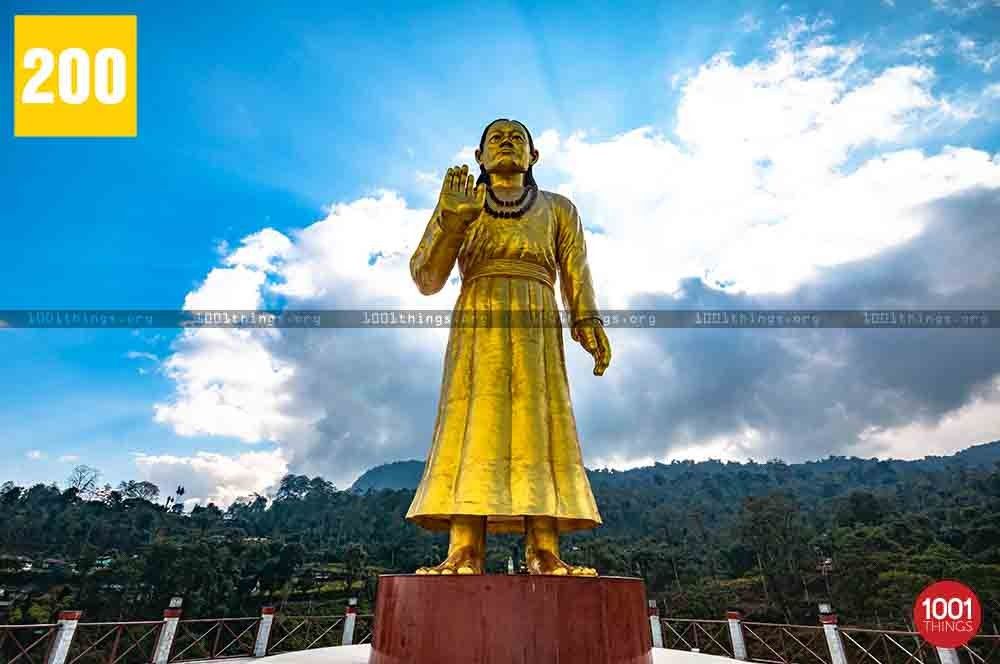
Carved and erected in metallic bronze, the statue of Mahatma Sirijunga Teyongshi stands 36 feet tall amid the scenic province of Hee Yumang Theegu, Hee-Kyengbari in West Sikkim. The tallest idol of Mahatma Sirijunga Teyongshi was inaugurated on 3rd December 2017, the very day that marked his 313th birth anniversary. The former Chief Minister of Sikkim, Mr. Pawan Kumar Chamling, along with other officials and VIPs, unveiled the idol. The inauguration ceremony was thronged by inhabitants who had tarried for years to see the statue depicting Sirijunga Teyongshi.
Discover the top 10 places to visit in Gangtok, from iconic monasteries and breathtaking viewpoints to vibrant markets and hidden gems. Whether you're a nature lover, adventure seeker, or first-time visitor, this guide covers everything you need for a memorable Gangtok trip.
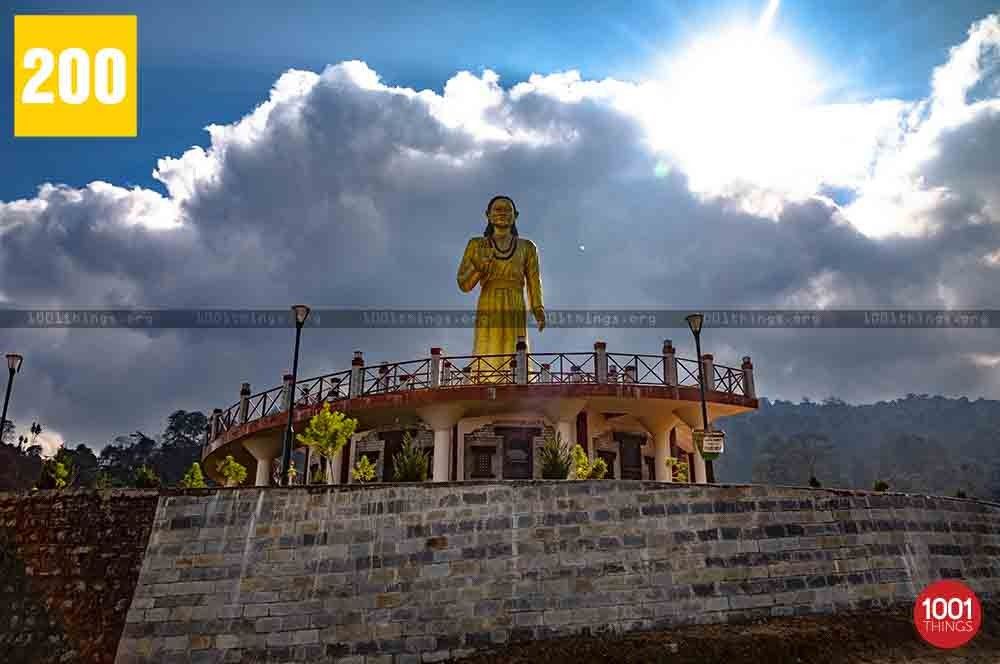
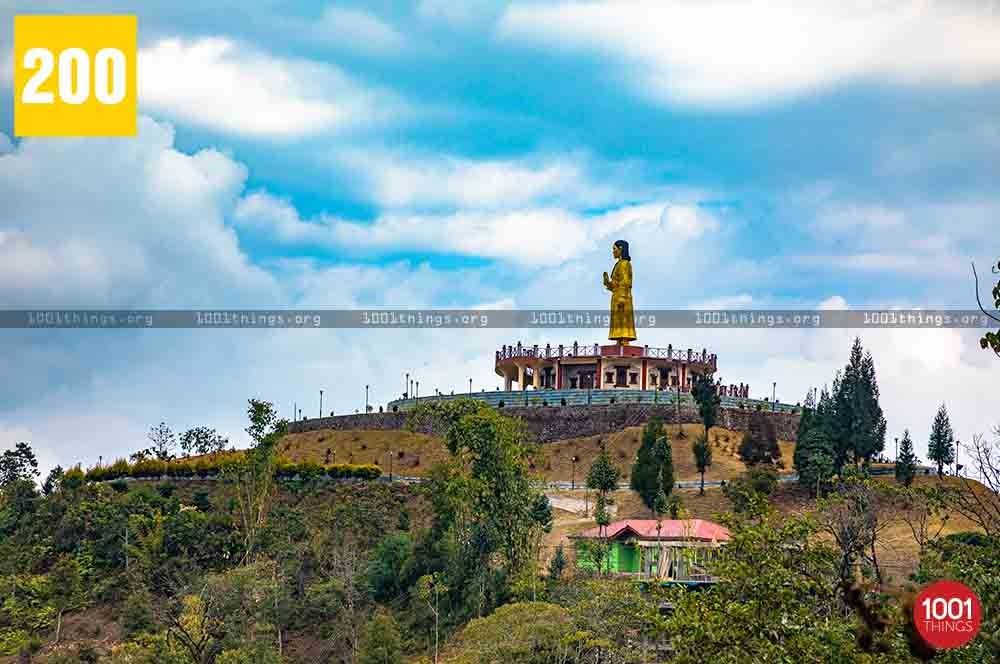
The massive figure stands on the aerial surface of the hill. The entire complex is circular and spreads over an area of 7.7 hectares. The complex has a Study Centre with compartments, the purpose of which is to promote and preserve the Limbu culture, heritage, tradition, and language. There is a circular verandah or walkway throughout the complex, whose edge is embedded with iron bars.
Right on top of the complex stands the grand statue of Sirijunga Teyongshi, installed on a red-painted platform about 4.5 feet tall. The entire space encircling the statue extends breathtaking views of the slopes, mountains, and quaint settlements. The complex and the statue live as a symbol of Mahatma Sirijunga's tremendous contributions towards the growth of the Limbu community. This bronze statue of Sirijunga Teyongshi is among the largest such statues in the world.
A Brief Glimpse Into The Culture & History - The Rise Of Mahatma Sirijunga Teyongshi
If you delve into the pages of Limbu literature and history, you will discover two famous names. One is Sirijunga Hang — the king who reigned over the then Limbuwan kingdom (present-day Nepal) in the 9th century A.D. for 35 years (882 to 925 A.D.). In former times, the Limbu community widely believed in rebirth and reincarnation. According to their dogma, a soul never gets permanent liberation from life and death; the sequence of rebirth continues until one pays off the karmic cycle on earth, after which the soul gets a temporary liberation to Sangram Pedang Den (freedom from the physical body).
The second name you'll find is Teyongshi Sirijunga Singthebe. Deemed the incarnation of the former king Sirijunga Hang, he rediscovered the deliberate custom and tradition founded by the former kings. He re-established and preserved the essence of the Limbus' cultural identity and antiquity. Sirijunga Teyongshi is thus revered and glorified by the Limbus, existing as a prominent religious and social awakener in Limbu history, as he restored the lost authenticity of his community through literature.
The Detailed Insight Into The Project
The area for the project was purchased way back in 2006 by the Government of Sikkim. However, it took a prolonged span of 11 years to accomplish the vision. The project 'Statue of Mahatma Srijunga' holds historical importance for the Limbu community in Sikkim, underlining the crucial initiative taken by the government towards their upliftment.
However, the formerly intended height (108 feet) of the statue was decreased to the current 36 feet, and the cost of the project was determined to be a hefty 13.8 crores. Furthermore, the inauguration was scheduled even when the second phase was half-done. The reduced height and the unfinished responsibility, even after the prolonged 11 years, provoked the moral sentiments of the Limbu community — many of whom opposed the idea of inaugurating the half-done statue, while the majority regarded it as disrespectful.
The authorities clarified that the technical team conducted a soil test and found it was not possible to install such a great stature at that elevation. Despite everything, the statue of Mahatma Sirijunga securely stands as a symbol of cultural harmony amongst the diverse ethnicities in Sikkim.
Getting There & What To Expect
West Sikkim is home to the ancient capital of Sikkim. If you love culture, tradition, and diversity, then West Sikkim is one of the ideal places to explore. If you're planning your trip from Gangtok, you can board shared vehicles from the city's motor stand. However, shared vehicles tend to stop frequently to pick up or drop passengers, so it can take considerable time to reach your destination. But if you're on a budget, the shared vehicles remain a cheaper alternative.
On the contrary, if you have pre-determined plans or commitments, or if being late or bothered by crowds troubles you, you can hire a car. There are a good number of tour operators across the region who can arrange prompt transport and anything related to travel — hotels, sightseeing, passes, and so on. Hiring a car also adds the advantage of stopping en route for tea and snacks, or simply to take a good picture for your social media feed. If you're travelling from Siliguri or any other region without an itinerary, you can follow the same approach.
Accommodation & Hotels
Sikkim is one of the thriving and most coveted tourism centres. You can get access to a good number of hotels across the state. Even if you're travelling to remote destinations, the absence of hotels brings the opportunity to experience the homelike feeling of homestays. If you're travelling to international and restricted borders, that's an exception.
Discover Paruhang Sapten Mangkhim in Sikkim, a sacred landmark of the Rai community that showcases cultural heritage, tradition, and spiritual harmony.