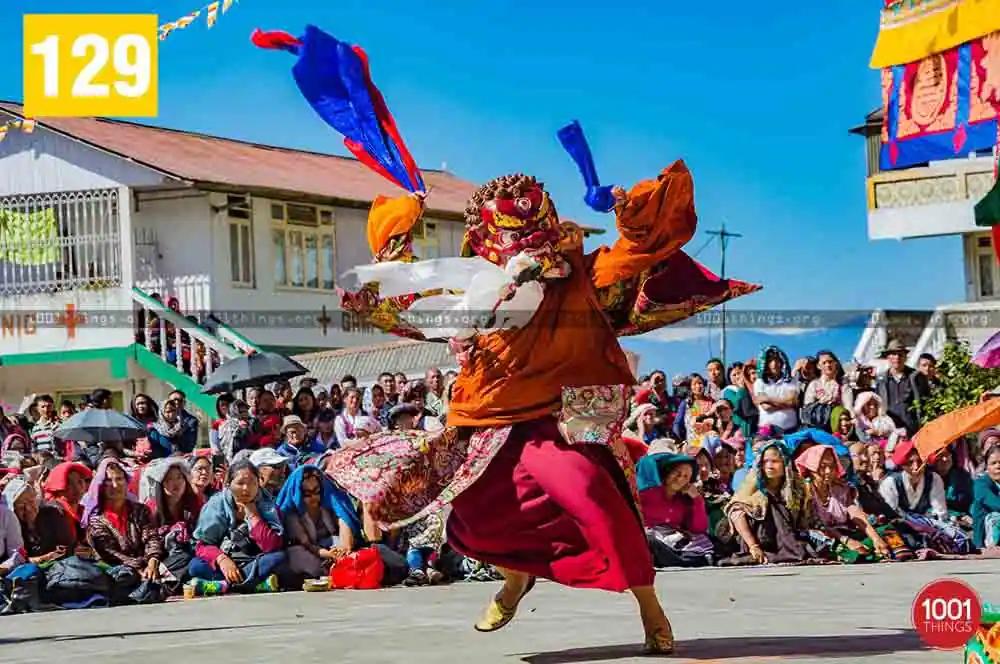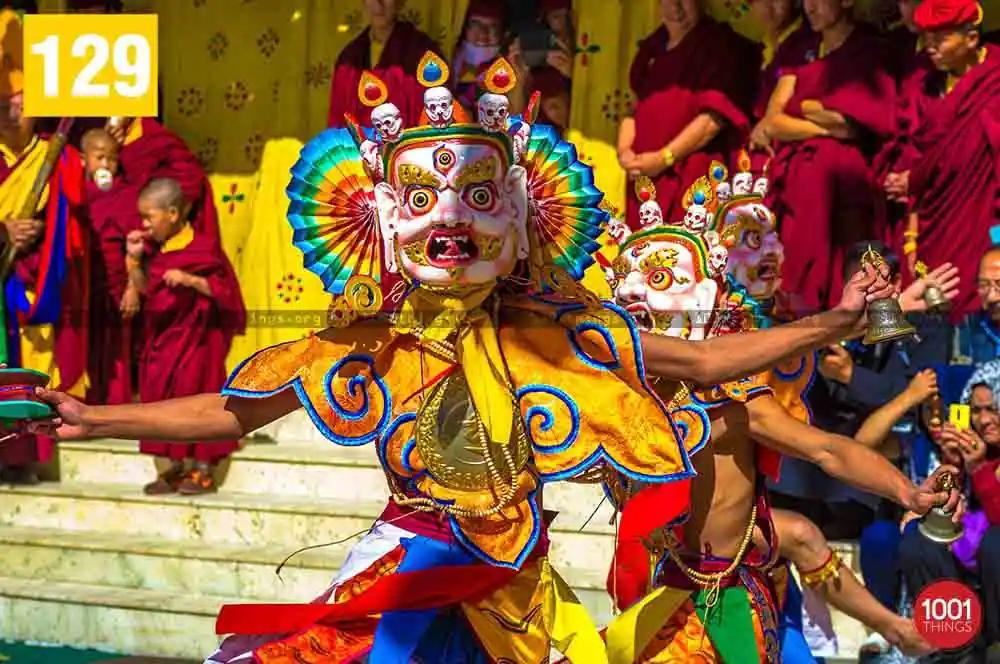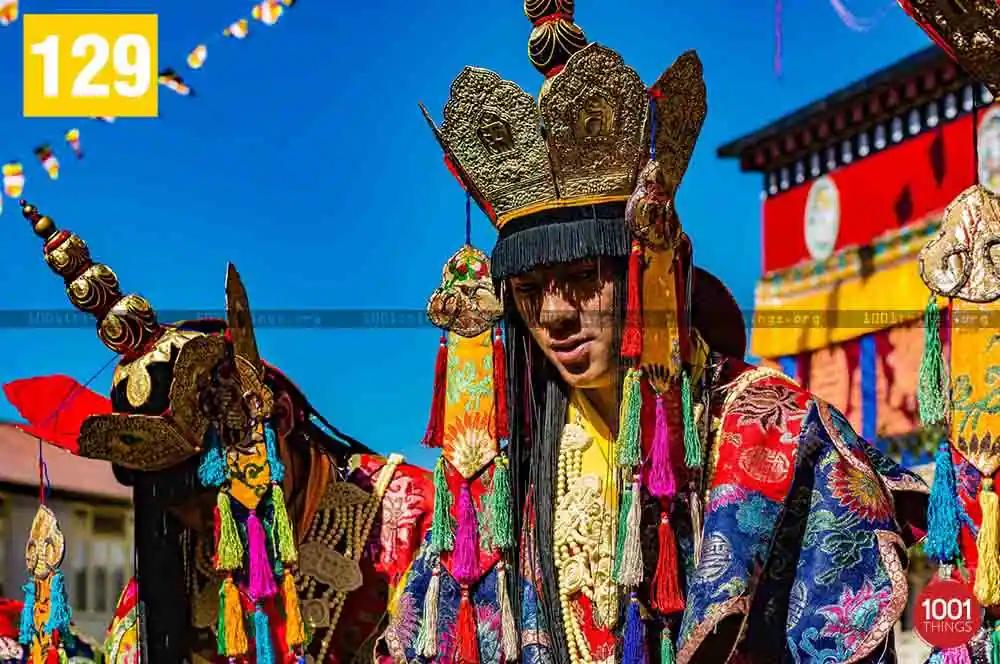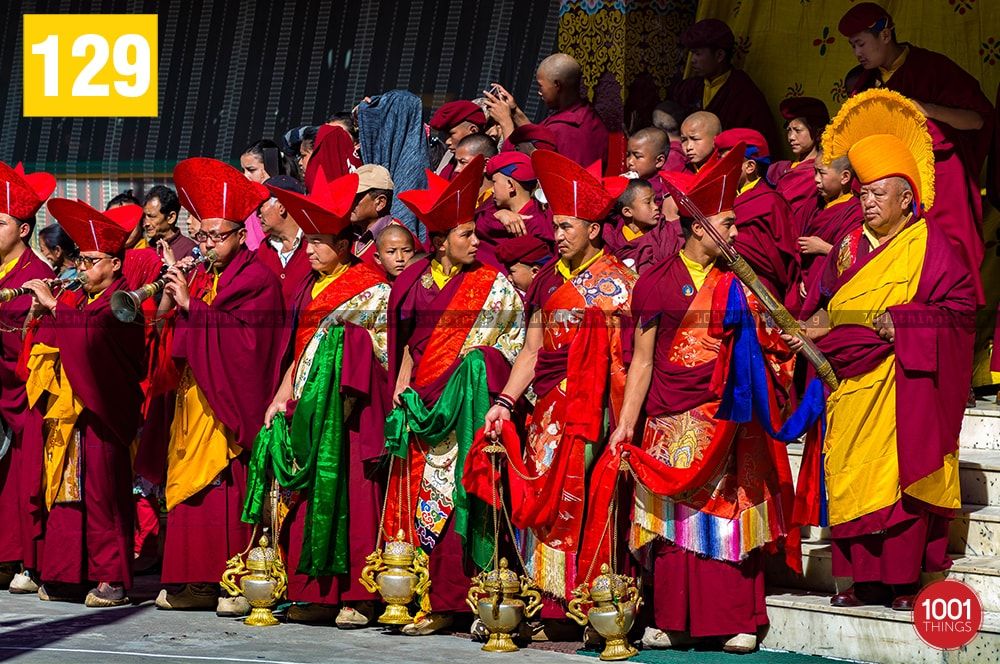
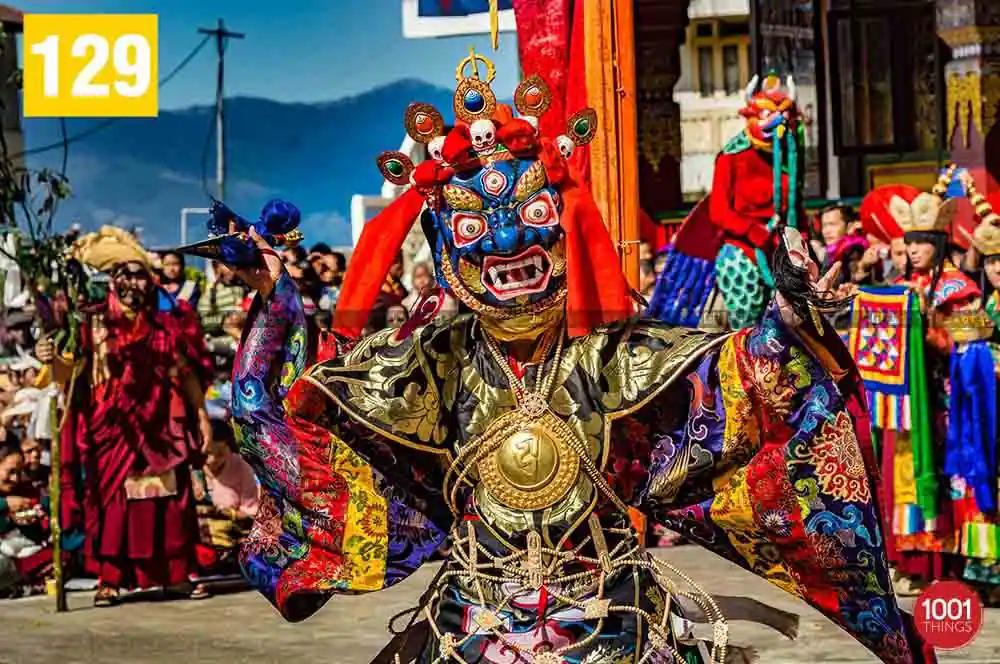
Cham Dance is one of the most extraordinary and spiritually profound ritual art forms of the Eastern Himalayan region. The word "chams" is of Tibetan origin and simply means "a dance" — but this is no ordinary performance. Cham is an ancient ritual mask dance performed exclusively by Buddhist monks during multi-day religious festivals in monasteries across Bhutan, Tibet, Sikkim, and the Himalayan regions of India. Through these 1,300-year-old mystical dances, monks seek to transform evil for the benefit of the entire world.
Origins of Cham Dance
The first Cham dance is believed to have been performed by the Indian saint Padmasambhava — also known as Guru Rinpoche — during 740–760 AD. Padmasambhava was invited to Tibet to banish evil spirits, and he began dancing using tantric mudras (sacred body positions, especially of the hands) and invoking protective deities. From this powerful and successful performance, Cham dances gradually spread to monasteries throughout the Tibetan Buddhist world.
From Tibet, the tradition spread to Bhutan — where it remains equally vital and celebrated — and to certain regions of India and Mongolia.
The Spiritual Meaning of Cham
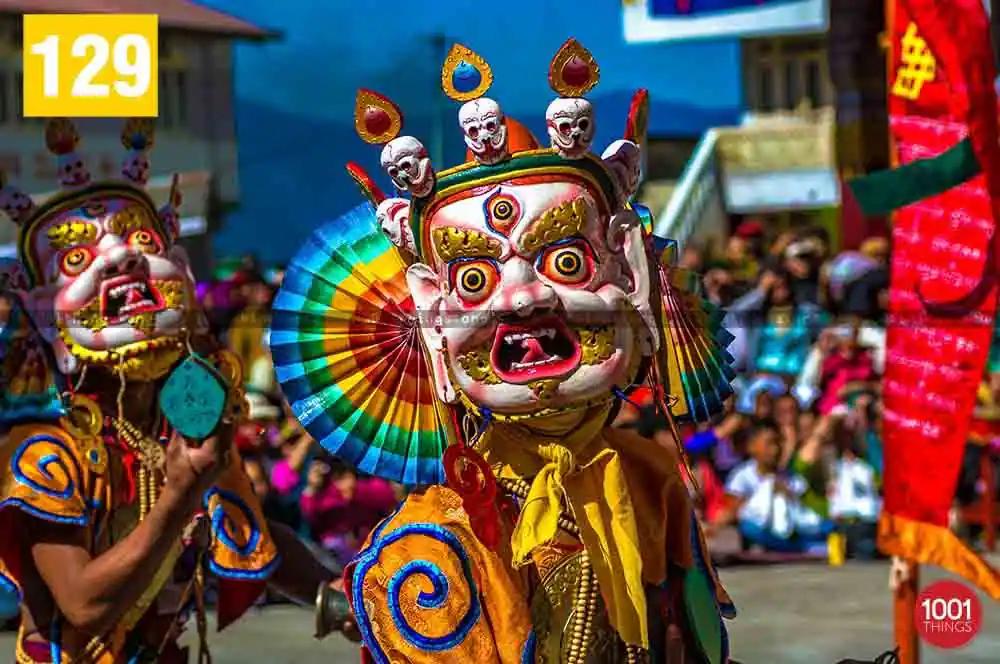
The monks who perform Cham must meditate for days or even weeks beforehand, visualising and invoking protective deities. On the day of the performance, the monks visualise themselves as deities and perform the ancient movements while chanting sacred mantras. According to tradition, they draw in the evil present in the crowd and the surrounding world — trapping it in an effigy made of dough in the shape of a human body. The dance master then cuts open the effigy and draws the evil into his own body, showing it peace and the path to liberation.