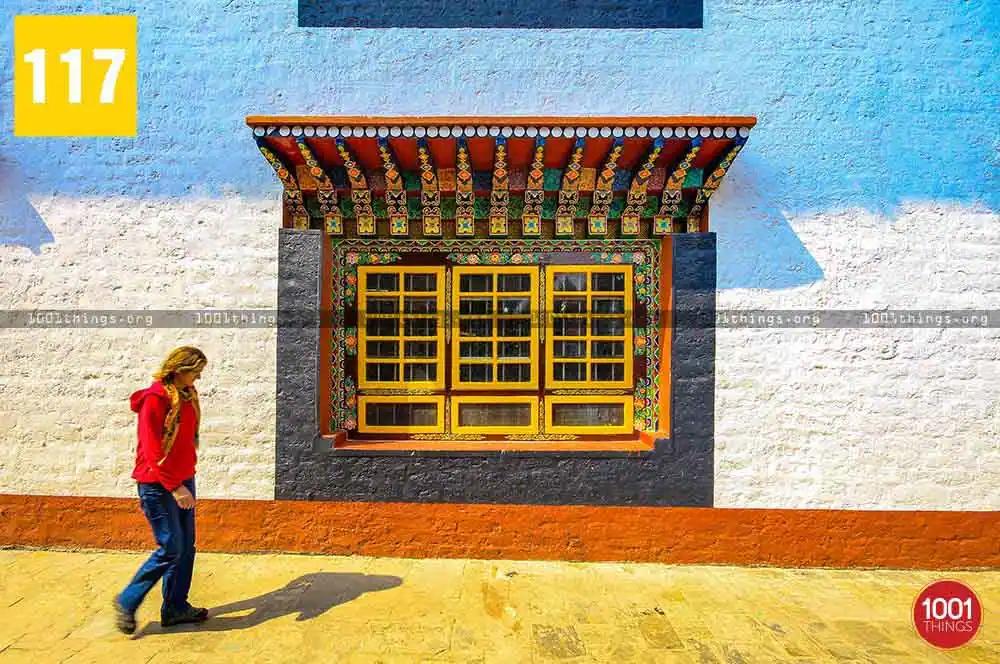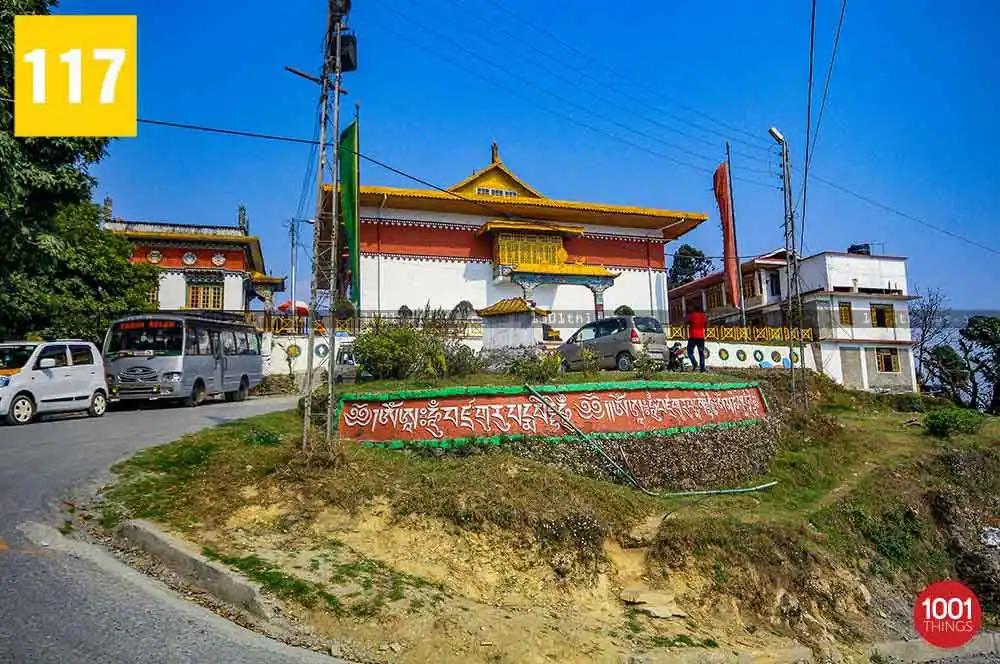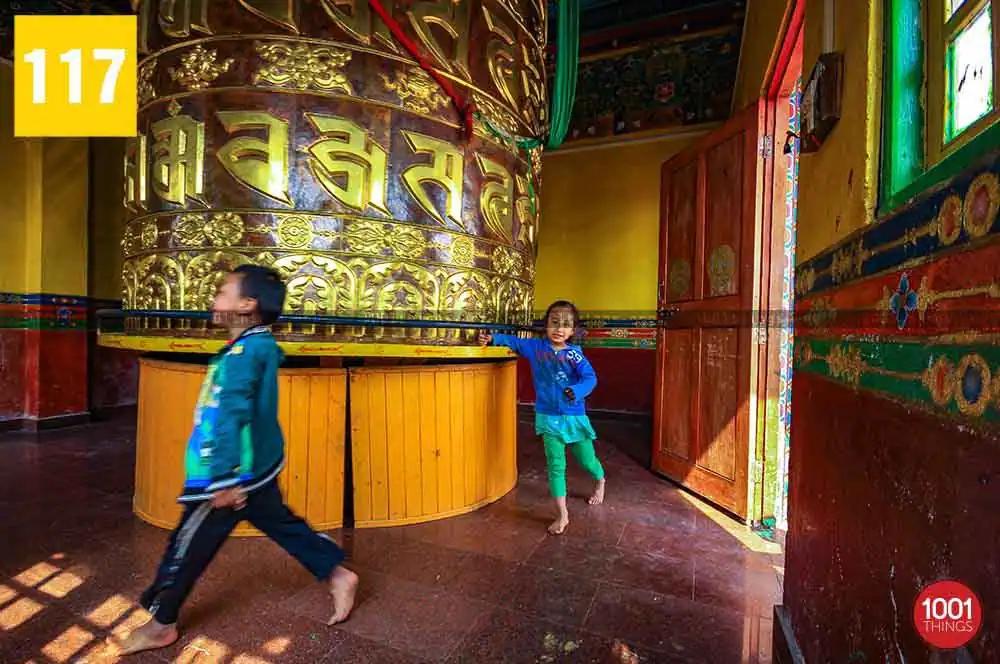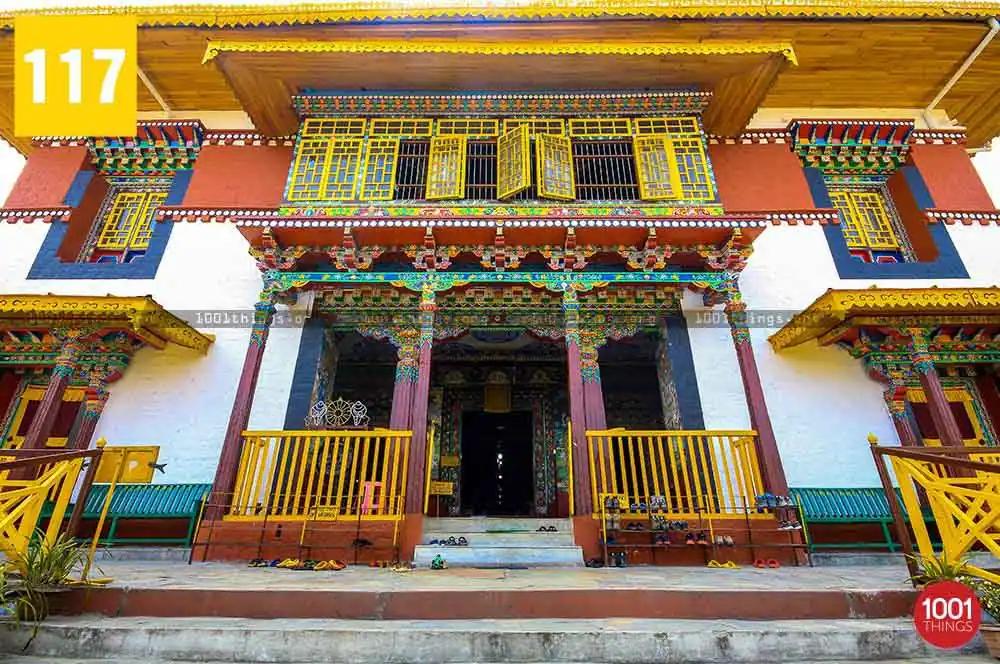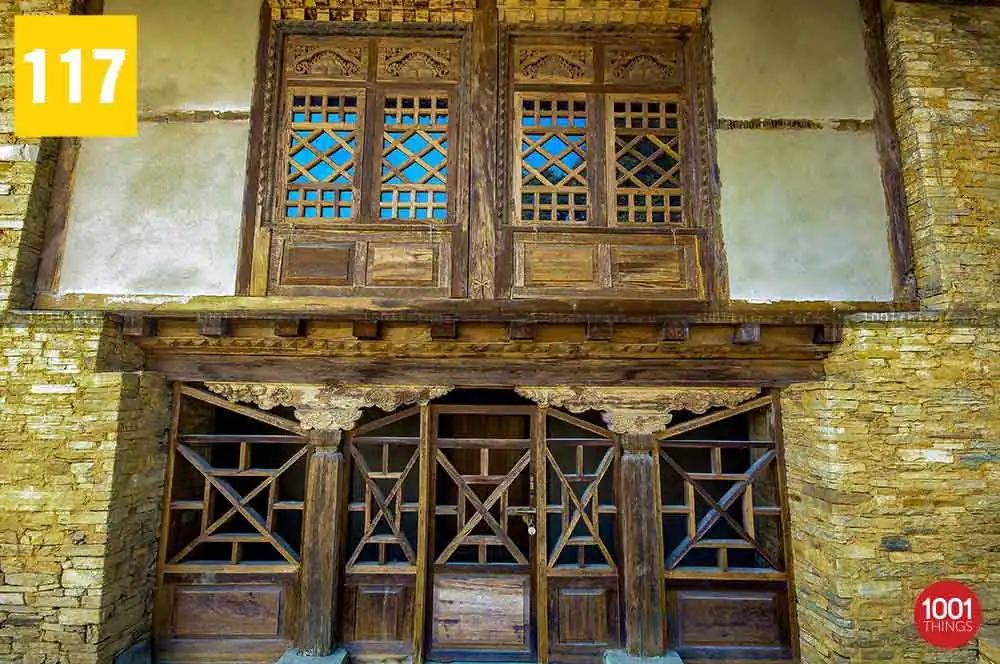
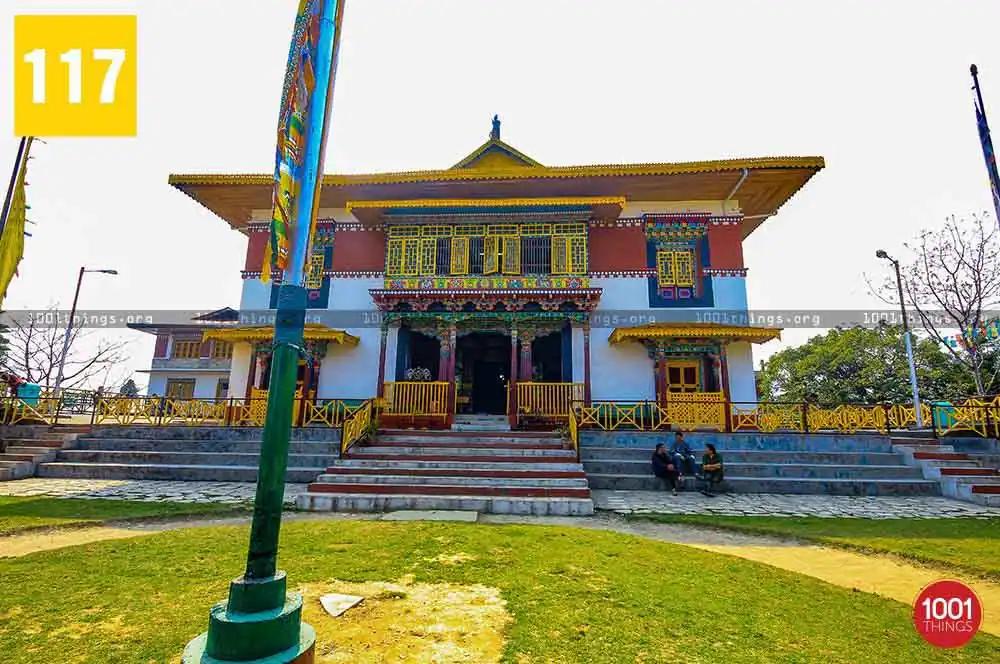
Pemayangtse Monastery is one of the most famous and beautiful structures in the state of Sikkim, situated near the small town of Pelling in the Western district. Its name derives from 'padma yang tse', meaning 'sublime perfect lotus' — a fitting name for one of the holiest and most revered monasteries in all of Sikkim. Today, it attracts thousands of tourists and pilgrims each year, drawn by its centuries-old heritage, its stunning setting, and its profound spiritual significance.
History of Pemayangtse Monastery
Founded by Lama Lhatsun Chempo, who personally planned and designed the monastery in 1705, Pemayangtse began as a small Buddhist establishment in the 17th century. During the reign of the third Chogyal (King) Chakdor Namgyal, it was rebuilt and extended into a grand full-scale monastery by Jigme Pawo — believed to be the third reincarnation of Lama Lhatsun Chempo.
The monastery follows the Nyingmapa order, one of the four major traditions of Tibetan Buddhism, and is the premier monastery for all Sikkim monasteries of that order. The monks here are traditionally chosen from leading Bhutia families of Sikkim, and only the "Pure Monks" — those of pure Tibetan lineage without any physical disorders — are privileged to reside in the monastery. The head Lama of Pemayangtse was traditionally entitled to consecrate the Chogyals (Kings) of Sikkim. Today, 108 monks reside within its walls.