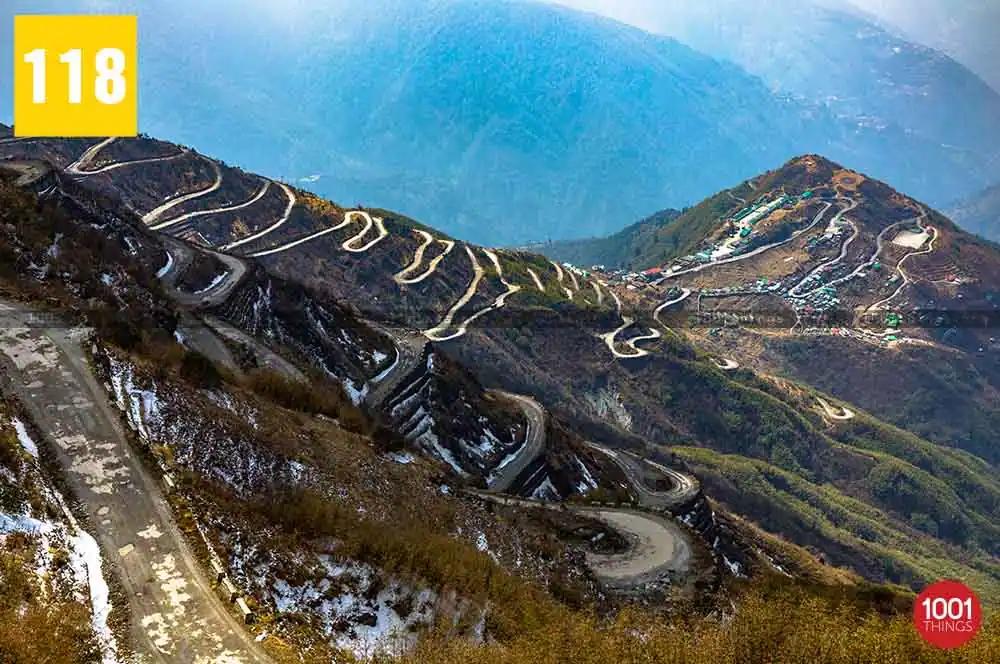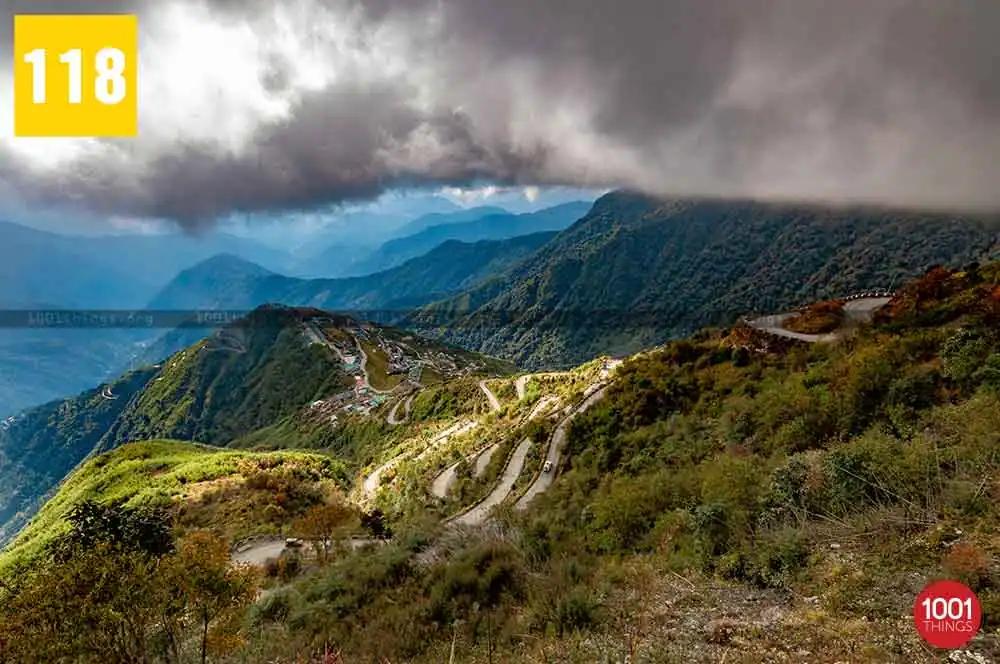

The Silk Route in Sikkim is one of the most historically significant and visually spectacular journeys you can take in the Eastern Himalayas. Passing through the remote village of Zuluk (also spelled Dzuluk) in East Sikkim at an elevation of 9,400 feet, this ancient trade route once connected Lhasa in Tibet to Tamralipta (present-day Tamluk) in West Bengal, via the Chumbi Valley and Nathula Pass. Today, it has been rediscovered as a breathtaking off-beat tourism destination that offers 32 famous hairpin turns, extraordinary Himalayan panoramas, and rich biodiversity.
Historical Background of the Silk Route
The origin of the Silk Route in Sikkim dates as far back as the First Century AD. Traders used this route to sell silk products in India by crossing the border from Tibet, giving rise to the name "silk route." The route connected Lhasa (Tibet) with Kalimpong (West Bengal, India) and was functional until the Chinese invasion and annexation of Tibet.

This Sikkimese section of the South Western Silk Route interlinked the Yunnan Province of China to Tibet and eventually to India and distant places like Afghanistan. Measuring only 900 km between Lhasa and Tamralipta, it was considerably shorter than other sea routes — making it an attractive and comparatively safer option for traders' convoys, despite the harsh weather and arduous mountain terrain of over 14,000 feet altitude, covered in snow from November to April.