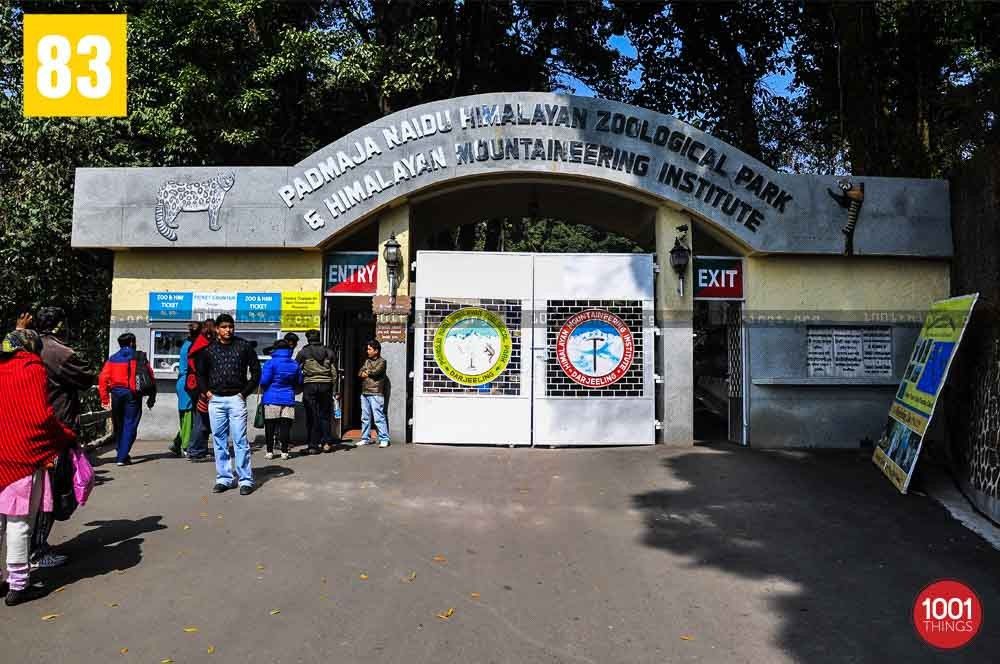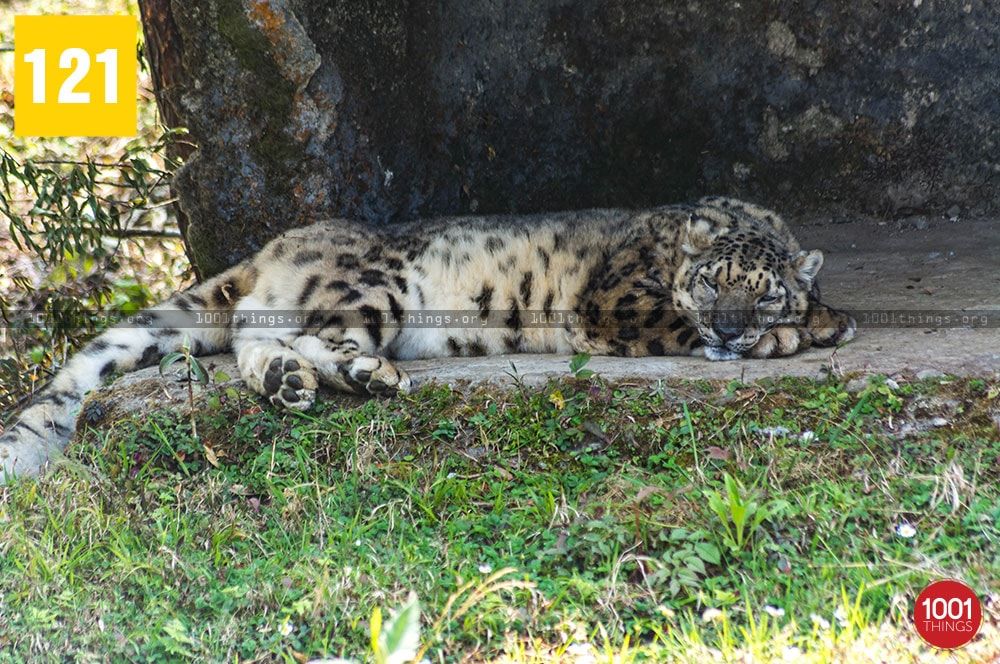
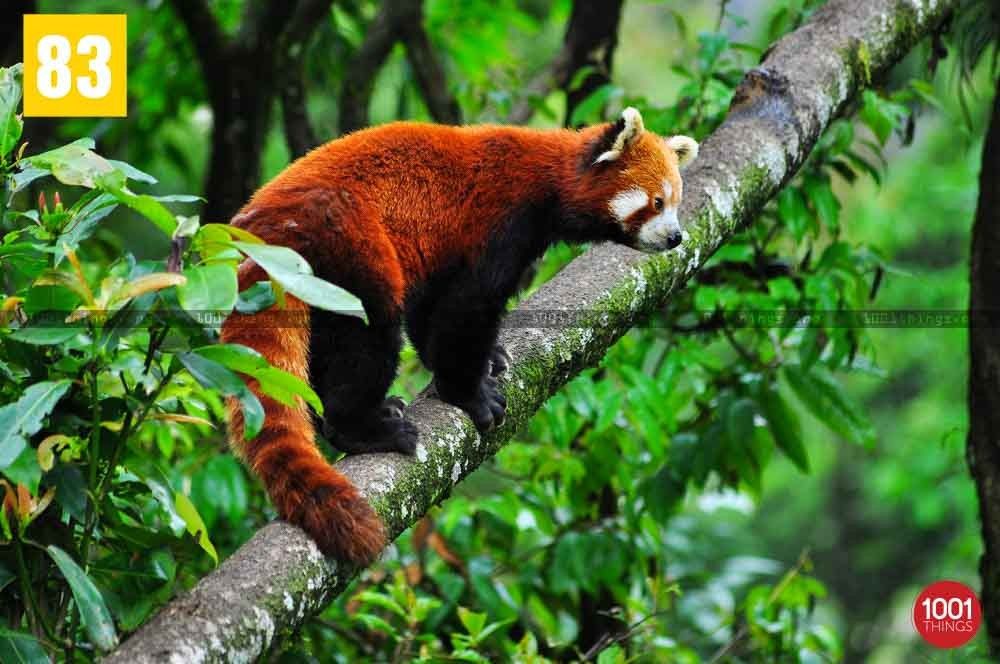
The Padmaja Naidu Himalayan Zoological Park in Darjeeling is one of India's most remarkable wildlife institutions — the largest high-altitude zoo in the country, internationally recognised for its groundbreaking conservation breeding programmes. Situated at an elevation of 7,000 feet (2,134 metres) and covering 67.56 acres, it attracts over 300,000 visitors annually and is considered one of the finest specialised zoos in the world.
History of Padmaja Naidu Himalayan Zoological Park
The zoo was established on 14th August 1958, driven by the visionary initiative of Mr Dilip Kumar Dey of the Indian Forest Service, who conceived the idea of a high-altitude zoological park specialising in Himalayan flora and fauna. Located in the Birch Hill area of Darjeeling, it was initially placed under the Department of Education, Government of West Bengal, for the study and conservation of Himalayan fauna.
In 1960, the zoo gained international attention when Soviet Premier Nikita Khrushchev gifted a pair of Siberian (Ussuri) tigers to the Government of India — drawing wildlife conservationists from across the world to Darjeeling. The zoo became a registered society in 1972 with maintenance costs shared between the central and state governments. In 1975, then Prime Minister Smt. Indira Gandhi visited and dedicated the zoo in the name of the late Smt. Padmaja Naidu, who had served as the Governor of West Bengal.