Ewam India Buddhist Monastery, Siliguri - Ancient Buddhism For The Modern Times
1001 Things··5 min read
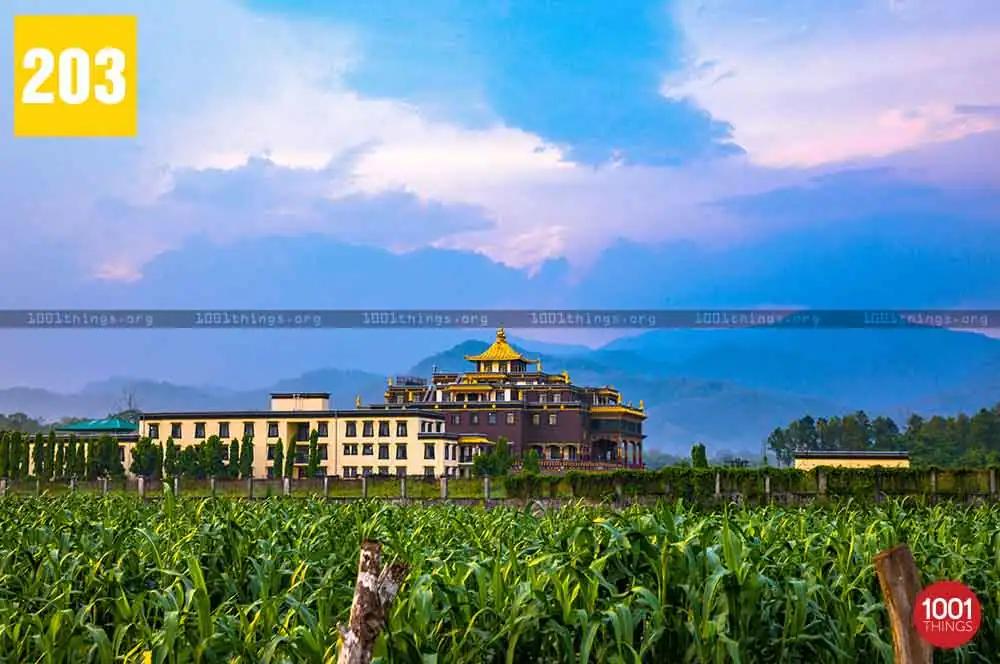
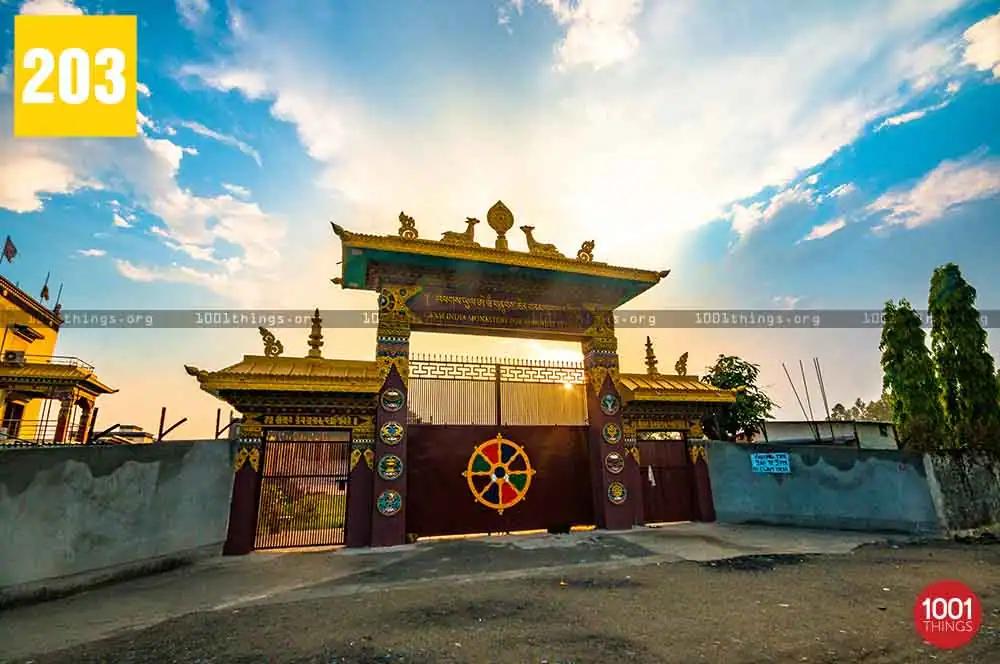
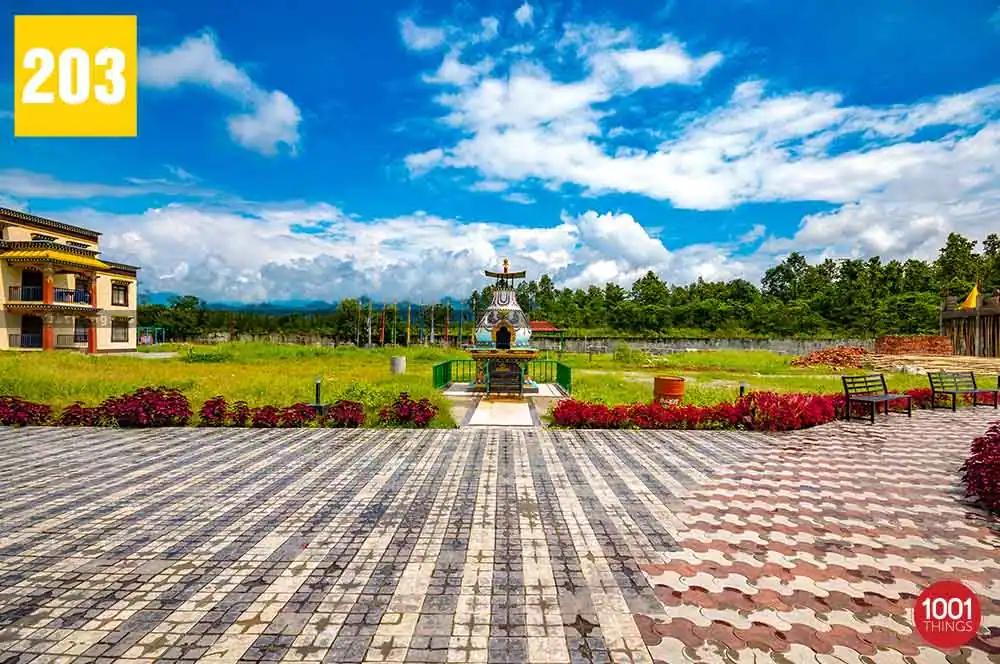
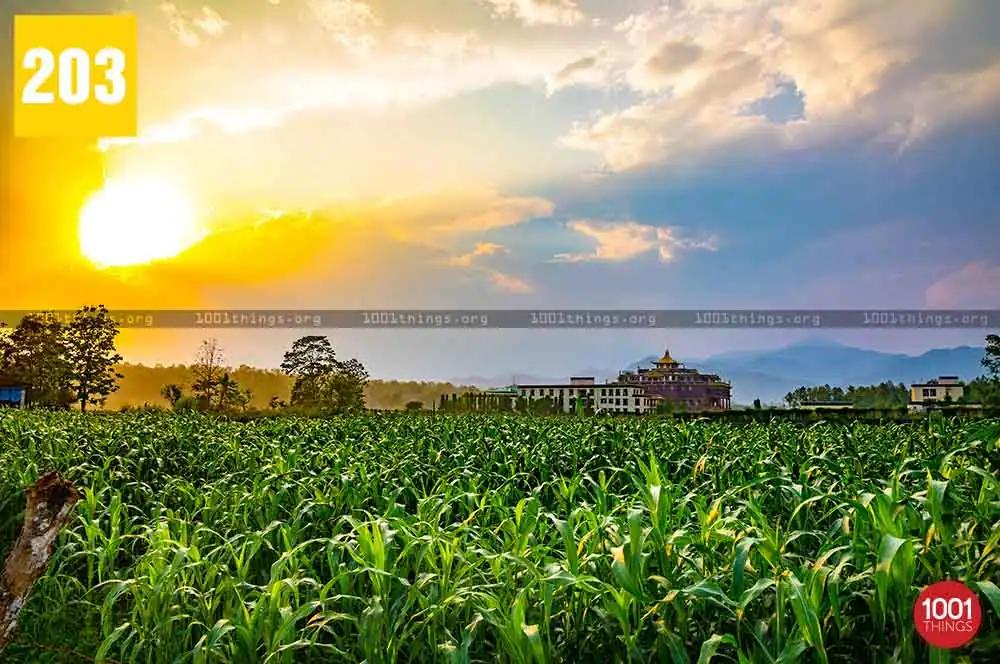
Ewam Siliguri, India, is etched amid the serenity and splendour of nature. The Buddhist monastery is the ideal representation of spirituality, peace, and ethereal wonder. Standing amid a vast stretch of greens and dotting settlements, the monastery retains a rustic and mystical feeling. The term 'ewam' itself resounds with rarity and an exotic touch. Secluded from the rush of bustling city life, Ewam Monastery stands at a distance of 11 km from the heart of Siliguri.
Ewam Monastery, a Pilgrimage Destination of Serene Bliss and Spiritual Significance
Ewam propagates the Nyingma School of Tibetan Buddhism, which is considered the oldest amongst the four significant traditional schools. The monastery is sacred to Buddhists, and it is also deemed an evolving pilgrimage site for the devout and even for explorers. Contradicting the boisterous city, the monastery extends not just an escapade but also an unsurpassable, soul-soothing bliss, solitude, and calmness. Its serene ambience captivates visitors from all walks of life, and the site's spiritual significance draws people seeking solace and enlightenment.
Discover the top 10 places to visit in Gangtok, from iconic monasteries and breathtaking viewpoints to vibrant markets and hidden gems. Whether you're a nature lover, adventure seeker, or first-time visitor, this guide covers everything you need for a memorable Gangtok trip.
Getting There
The monastery is located at Toribari Village, Salugara, which is quite near Bengal Safari, Siliguri. This grandiose structure is enclosed by verdant natural greenery and serenity. Pilgrims and explorers can easily reach the place, as the city offers cheap, prompt transport facilities. Even though the monastery is secluded from the sheen and glamour of contemporary life, proper road networks ensure easy accessibility.
A Glimpse Into The Architecture
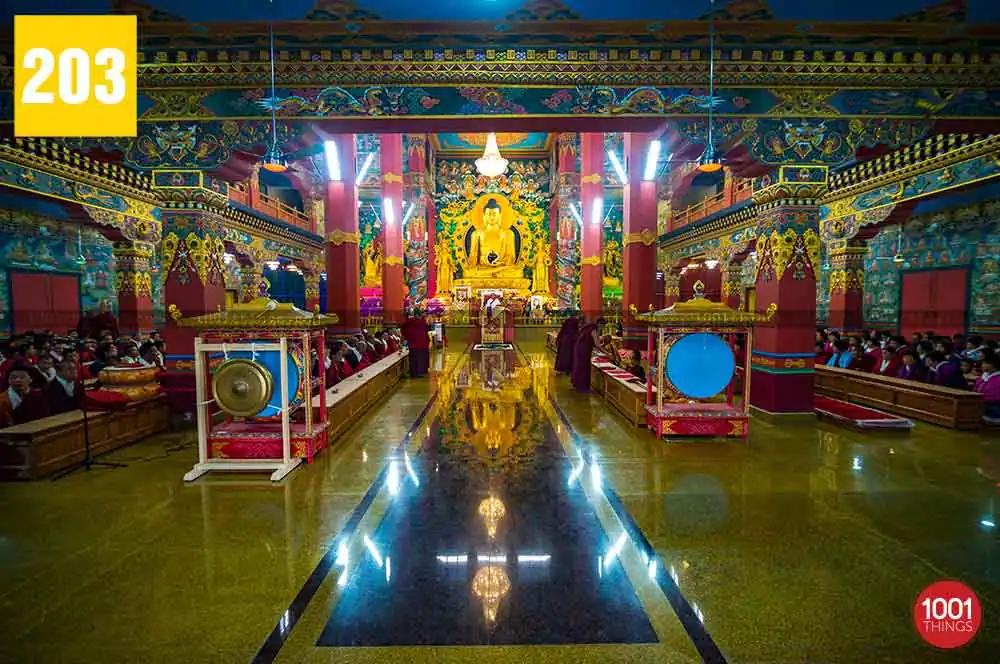
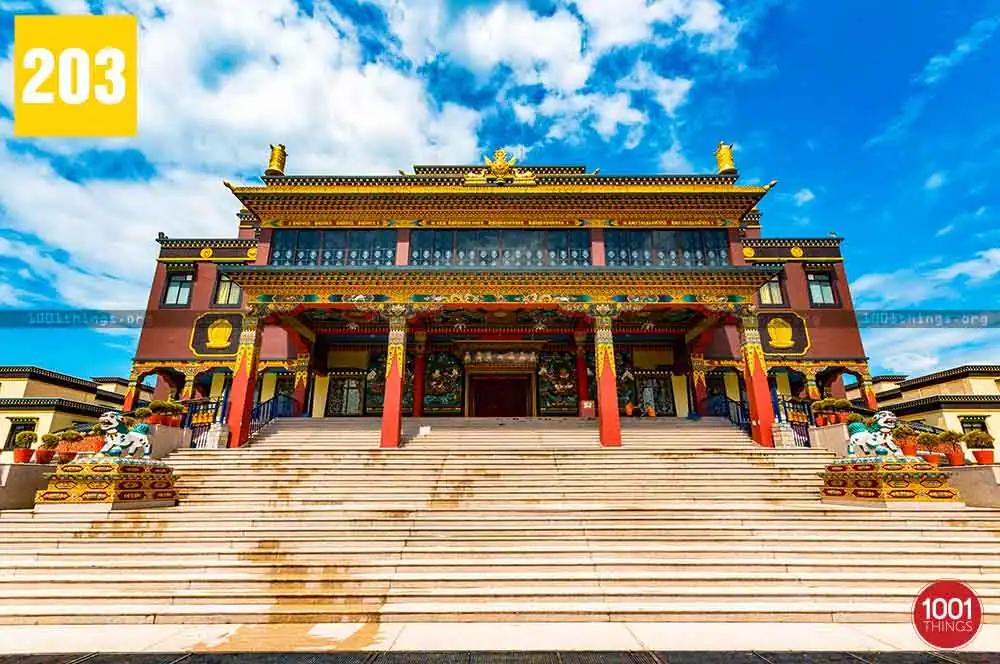
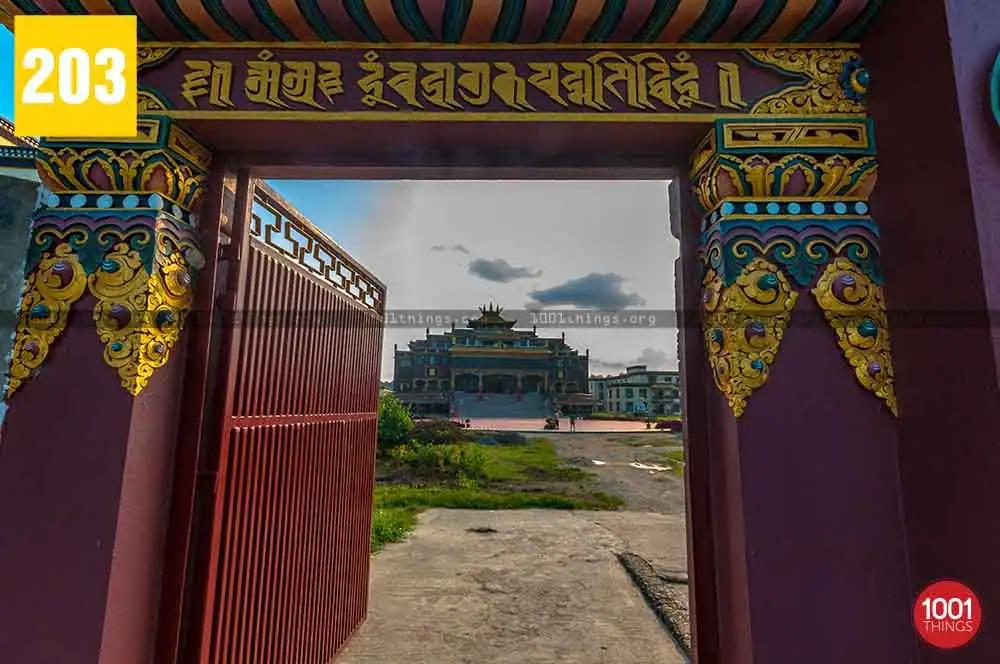
The monastery depicts the ancient Buddhist architectural style. The seven-storied monastery bears stunning artwork and intricate carvings, with brilliant Kilkhor drawings adorning the walls and the entire ceilings.
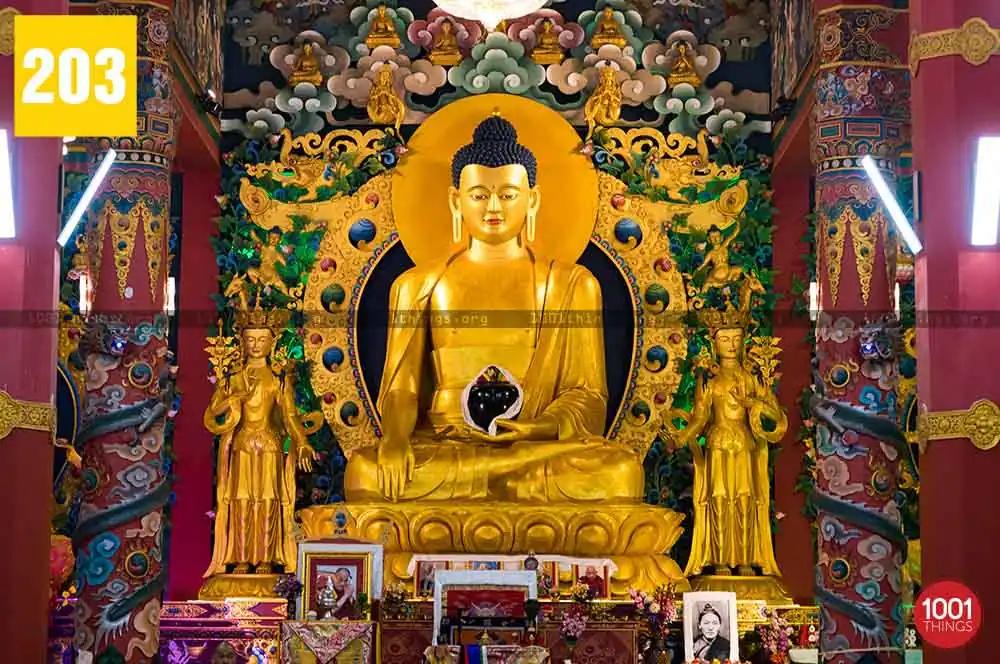
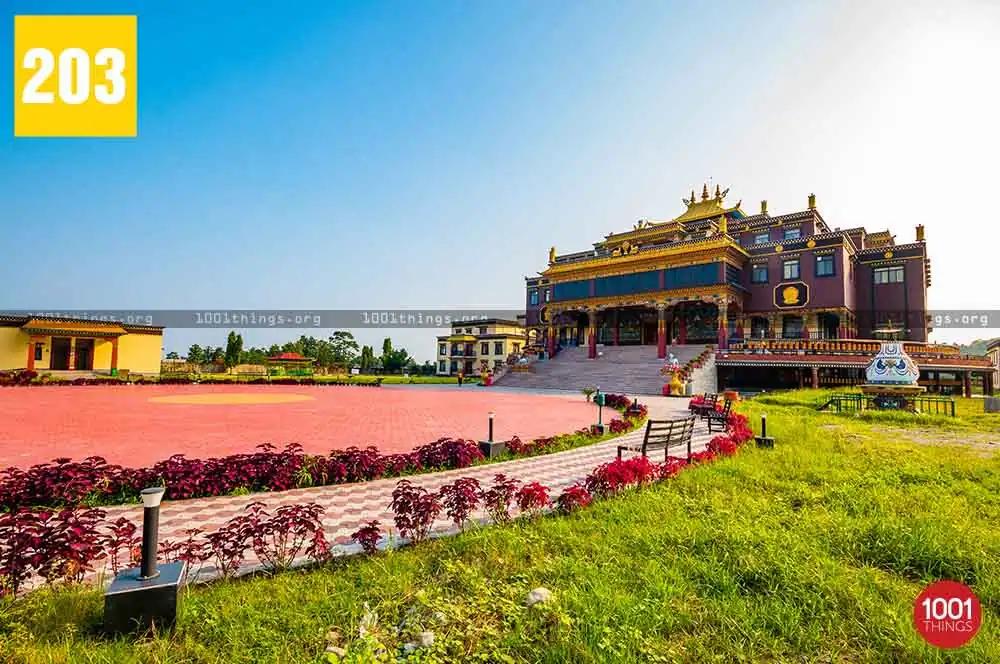
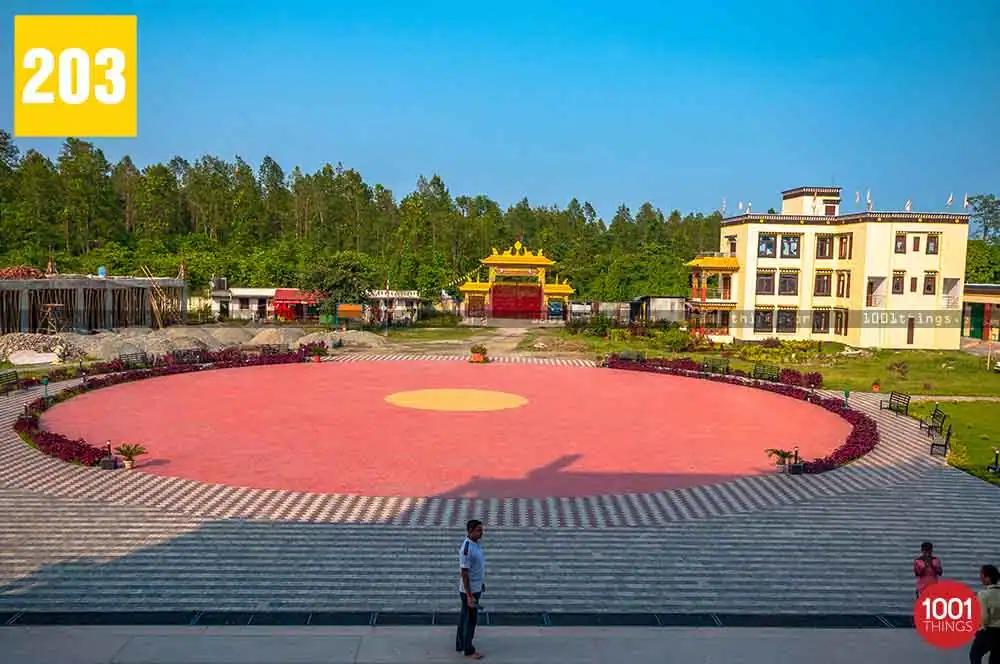
Every inch of the interiors and exteriors retains a vibe of immense spirituality. Grand statues of Buddha in a meditating pose are installed inside the temple block. The monastery is painted in brownish-red, and the pillars depict the radiant hues of bright red and gold. The front-facing side is most appealing, as it dazzles in a golden shade. There is a massive circular yard in front of the main building, and a wide flight of stairs at the entrance leads you to the first floor, where an array of prayer wheels is arranged throughout the circular pathway. The circular shape adds to the peculiarity and appeal of the monastery, and visitors can enjoy stunning views of the surrounding nature.
The roof of the monastery is another fascinating part. The topmost section is constructed so that every inch of it bears the roof style of Tibetan monasteries. The edge of the roof depicts the graven image of an unusual creature that somewhat resembles an elephant and a dragon. The entire roof and the carvings on its edges are painted in gold that shimmers at its utmost gleam during dawn, daylight, and the sunsets.
History & Origin Of Ewam
Ewam India Buddhist Monastery Siliguri is a charitable, non-profit educational organization. It was founded in 1999 under the spiritual guidance of Tulku Sang-ngag Rinpoche. Ewam intends to develop spiritual learning in western countries and throughout the world, particularly emphasizing the learning and practice of the Nyingma school of Tibetan Buddhism. Sang-ngag Rinpoche established the Ewam Buddhist Institute in July 2016 at the Garden of One Thousand Buddhas in Montana.
In Nepal, Ewam supports the practice of Tibetan Buddhism, including two nunneries and a monastery. In Siliguri, they have established the Ewam Institute, which includes a monastery and a nunnery, and they further provide educational support and medical facilities. Rinpoche has also established Ewam institutes in Hong Kong, Montana, New Mexico, and Taiwan, as well as The Turquoise Leaf Nunnery in Nepal, to help ease the suffering and treatment of nuns — Rinpoche believes in eradicating gender bias and inequality.
The Project — Ewam India (Siliguri)
The project's envisioning dates back to 2005, when it was planned and drafted. Back then, it was just a vast stretch of uncultivated land. In December 2005, a boundary was constructed around the proposed site, and prayer flags were put up. On 6th January 2006, Tulku Sang-ngag Rinpoche visited the Ewam India project site for the first time.
Another two years passed, and finally, on 26th February 2008, the land consecration prayer was observed at the site as per Buddhist religious rituals. Rinpoche performed the ritual of burying a fortune vase at the Ewam India project site.
In July 2009, the foundation and the first-floor pillars for the main building were erected. The project even involved an administrative building, and despite continuous progress, it took years to complete entirely. Finally, on 21st January 2016, Drupchen prayers — meaning 'vast accomplishment' — were held at the fully erected and painted structure.
Ewam India Buddhist Monastery Siliguri is one of the most magnificent and impressive monasteries in North Bengal. It adds to the list of spiritual sites in the region and stands as an offbeat place to explore. Ewam resounds with the surreal and the rare, evident in its being, its ideals, and its essence.
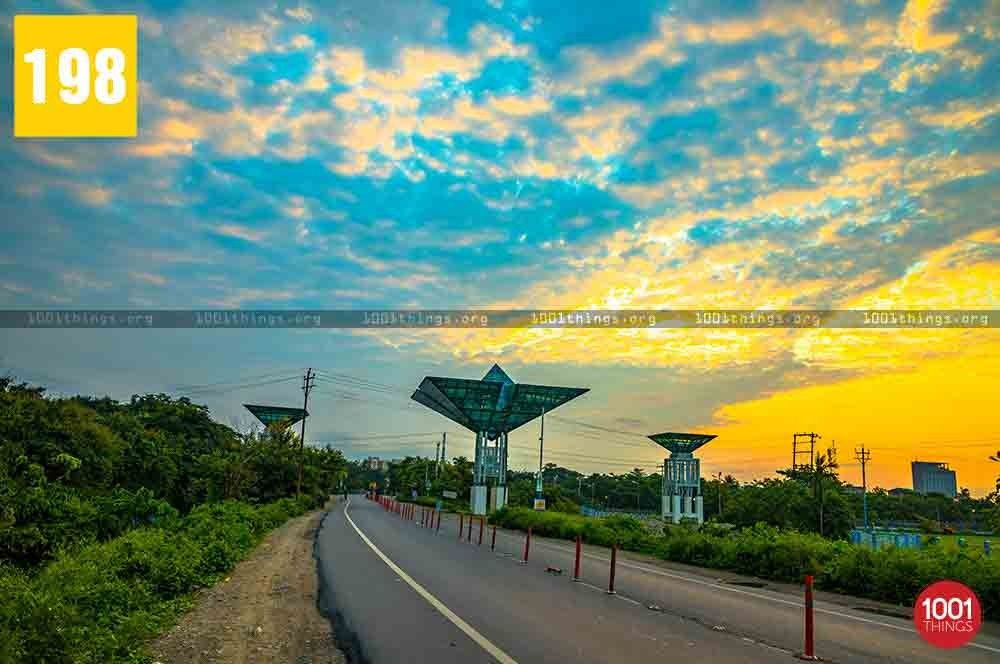
A contemporary engineering marvel on NH10 marking the entry to Siliguri, the Siliguri Gate is a fibreglass-and-steel crystal set atop an inverted pyramid — gleaming by day and dispersing rainbow hues by night, it stands as the city's most distinctive modern landmark.